Home / Stainless Steel / Pipes & Tubes
Stainless Steel Pipes & Tubes
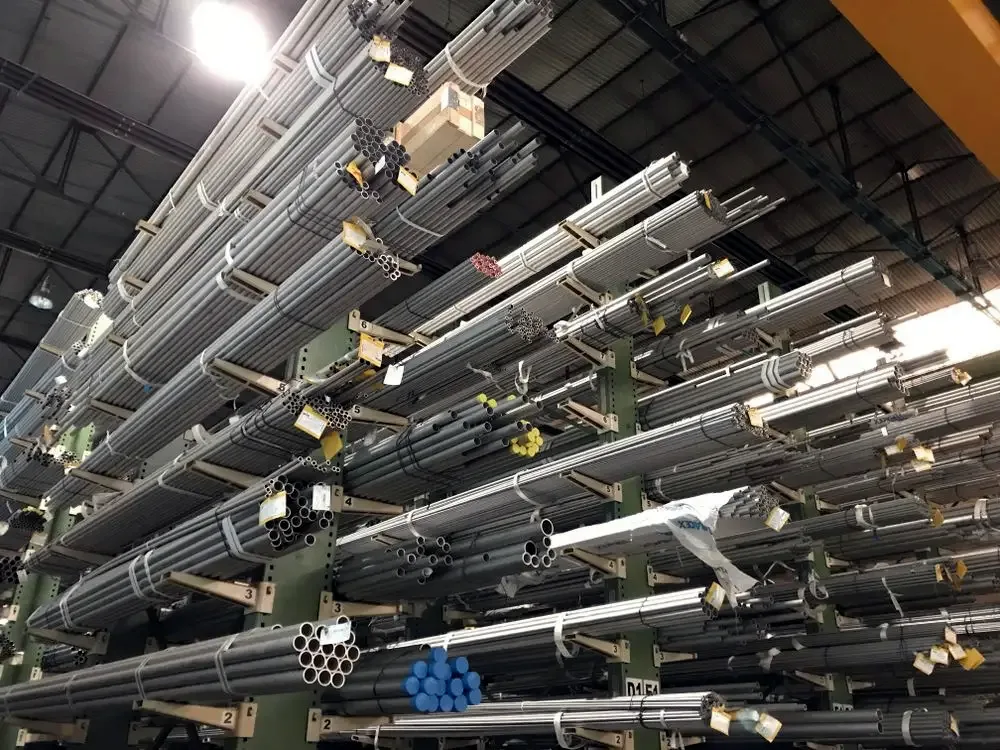
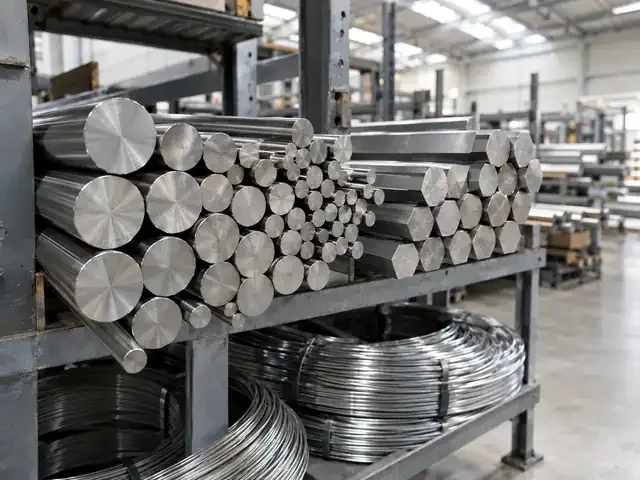
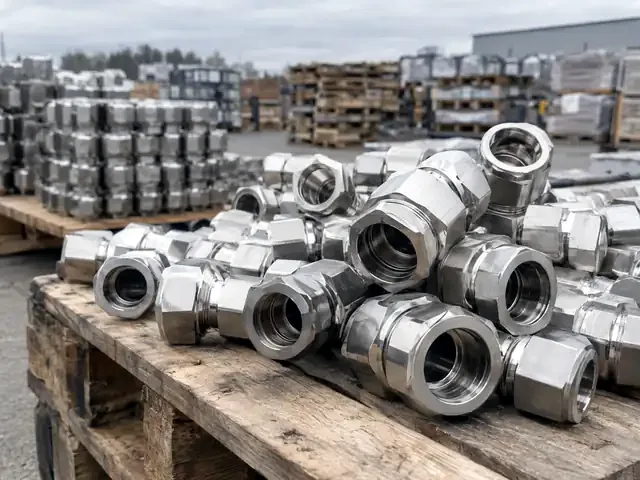
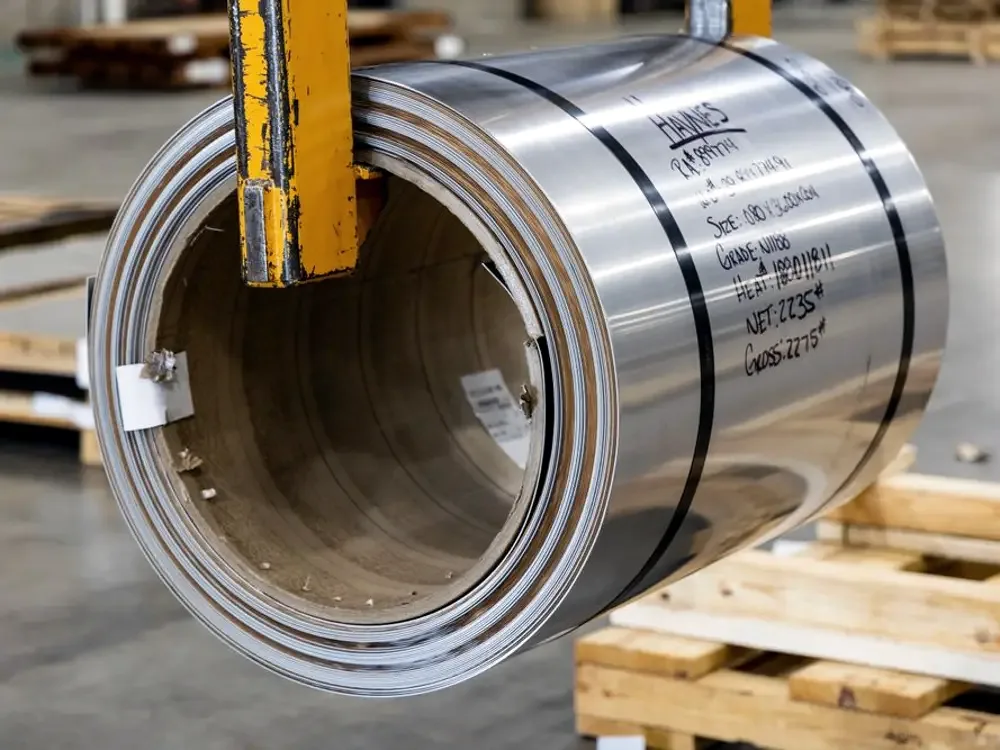
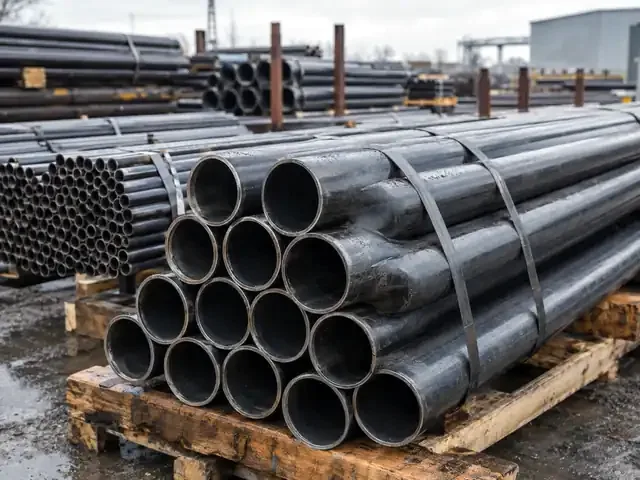
Stainless Steel pipes & tubes are the line pipe and process tubing that carries your fluid, from small instrument lines to main process headers. Austenitic, ferritic and martensitic stainless grades for general corrosion resistance, hygiene and heat service. Pipes, fittings, flanges, sheets, plates, coils and bars.
Typical use for Stainless Steel: food and dairy, pharma, chemical, water, general fabrication. The right grade, form and finish depend on the process fluid, temperature, pressure and the code your project follows, so we quote against your specification rather than a catalogue default.
Metalex Piping Solution, Mumbai, supplies Stainless Steel pipes & tubes for India and export orders. Send us the details in the checklist below and we will check availability and confirm what can be offered. Grade, dimensions and certificates are confirmed on the quotation.
At a glance
| Material | Stainless Steel |
|---|---|
| Grades | 304 / 304L, 316 / 316L, 310S, 321, 347, 409, 410, 430, Nitronic 50 (bars) |
| Standards (typical) | ASTM A312 (seamless and welded), A358 (electric fusion welded), A269 / A213 (tubes) |
| Types | Seamless and welded; round pipe and tube |
| Dimensions | ASME B36.10 / B36.19 for pipe; tube by outside diameter and wall |
| Ends | Plain end, bevelled end or threaded |
| Finish | Mill finish, annealed or pickled as specified |
| Documentation | Mill test certificate (EN 10204 3.1) and inspection on request. Confirm on enquiry. |
Standards are typical for this product. The exact standard, grade and tolerance are confirmed against your enquiry.
Tell us this much
- Nominal size or outside diameter
- Schedule or wall thickness
- Seamless or welded
- Length (single or double random, or cut length)
- End finish and test requirement
What to know about pipes & tubes
- Seamless pipe has no longitudinal weld seam and is the usual choice for higher pressure and temperature service.
- Welded pipe is formed from plate or strip and is widely used for general process, water and structural lines.
- Pipe is sized by nominal pipe size and schedule; tube is sized by outside diameter and wall thickness.
- Can be supplied in cut lengths or random lengths, with plain, bevelled or threaded ends.
Stainless Steel at a glance
Stainless steels contain at least about 10.5 percent chromium, which forms a thin protective oxide film. Grade 304 is the general purpose choice, 316 adds molybdenum for better resistance to chlorides, and the L grades have lower carbon for welding.
- Corrosion resistant in many process and water services
- Easy to weld and fabricate
- Hygienic, easy to clean surface
- Wide range of forms and standards
Where pipes & tubes are used
- Process and utility piping
- Heat exchanger and condenser tubing
- Instrument and sample lines
- Structural and mechanical tubing
Common questions
What is the difference between pipe and tube?
Pipe is specified by nominal size and schedule and is mainly for carrying fluids. Tube is specified by actual outside diameter and wall thickness and is used where tighter dimensional control matters, such as heat exchangers and instrumentation.
Seamless or welded?
Seamless is preferred for high pressure, high temperature or critical service. Welded is economical for general service and larger sizes. Tell us the design code and we will quote what suits it.
What do you need to quote?
Material and grade, nominal size or outside diameter, schedule or wall thickness, seamless or welded, length and quantity.