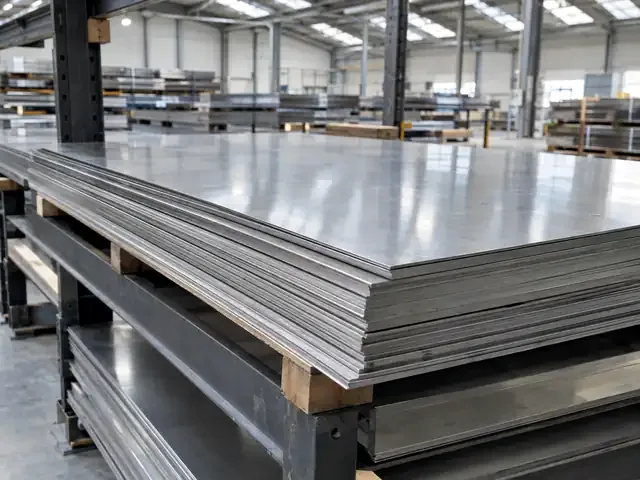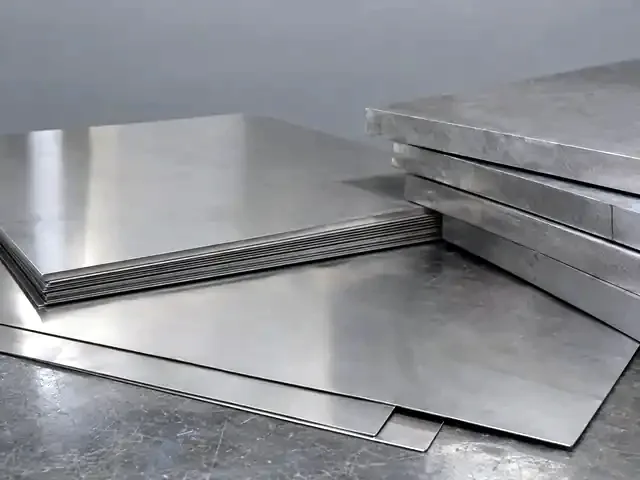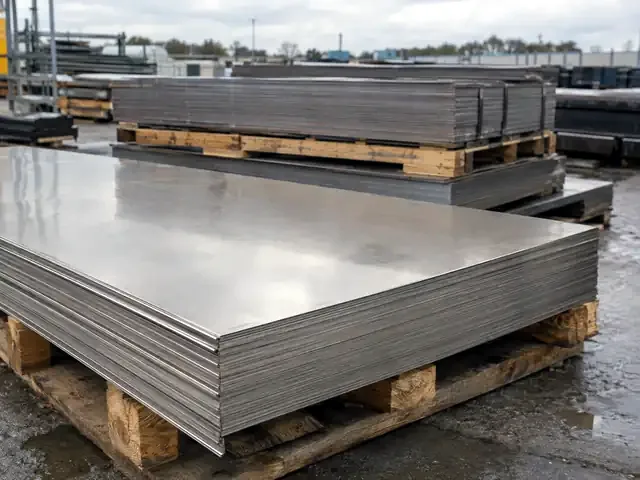
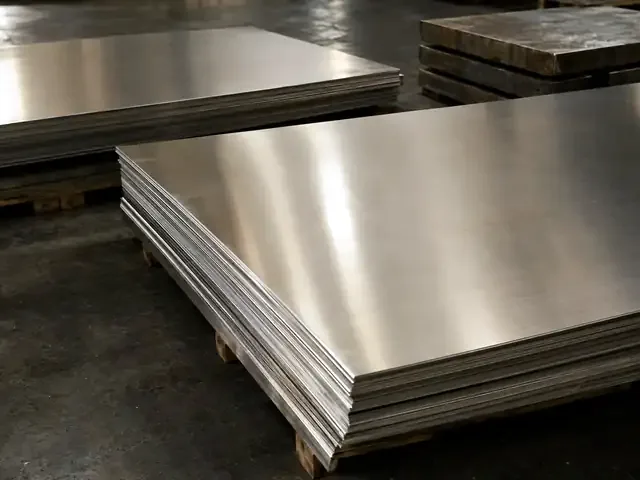
SS 904L sheet & plate are the flat stock that is cut, rolled, formed and welded into tanks, vessels, panels and parts. A high-alloy austenitic stainless chosen where 316L is not enough against acids and chlorides.
Typical use for SS 904L: chemical processing, acid service, desalination, pollution control. The right grade, form and finish depend on the process fluid, temperature, pressure and the code your project follows, so we quote against your specification rather than a catalogue default.
Metalex Piping Solution, Mumbai, supplies SS 904L sheet & plate for India and export orders. Send us the details in the checklist below and we will check availability and confirm what can be offered. Grade, dimensions and certificates are confirmed on the quotation.
At a glance
| Material | SS 904L |
|---|---|
| Grades | 904L (UNS N08904) |
| Standards (typical) | ASTM / ASME specification for 904L (UNS N08904), confirmed against your enquiry |
| Types | Sheets, plates and cut blanks |
| Dimensions | Thickness x width x length as specified; standard sizes and cut to size |
| Ends | Mill edge or sheared edge |
| Finish | 2B, BA, No. 4 or hot rolled as the grade allows |
| Documentation | Mill test certificate (EN 10204 3.1) and inspection on request. Confirm on enquiry. |
Standards are typical for this product. The exact standard, grade and tolerance are confirmed against your enquiry.
Tell us this much
- Thickness, width and length
- Finish
- Grade and standard
- Quantity in sheets or kilograms
- Cutting and certificate requirement
What to know about sheet & plate
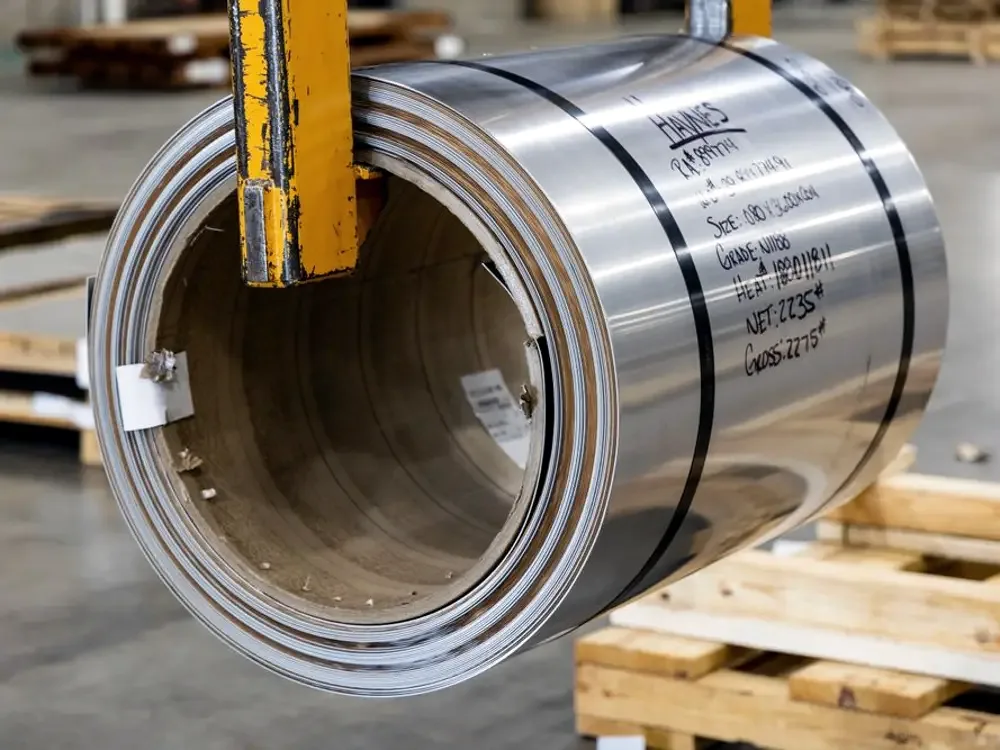
- Sheet is thinner (about 3 mm and below); plate is thicker. Coil and cut blanks are also available.
- Finishes: 2B, No.4 brushed, BA mirror and hot rolled, depending on the material.
- Sized by thickness, width and length, with cutting to size on request.
- Plate grade and temper affect forming, welding and corrosion behaviour.
SS 904L at a glance
904L is a high alloy austenitic stainless with extra nickel, chromium, molybdenum and copper. It resists sulphuric acid, phosphoric acid and chloride attack better than 316L.
- Strong resistance to non-oxidising acids
- Good resistance to pitting and crevice corrosion
- Non-magnetic
- Used where 316L is not enough
Where sheet & plate are used
- Tanks, vessels and process equipment
- Fabrication and cladding
- Food, pharma and chemical plant
- Architectural and general engineering
Common questions
What is the difference between sheet and plate?
Plate is generally thicker than about 3 to 6 mm depending on the standard; sheet is thinner and often supplied with a cold rolled finish.
What do you need to quote?
Thickness, width, length, grade, finish and quantity.