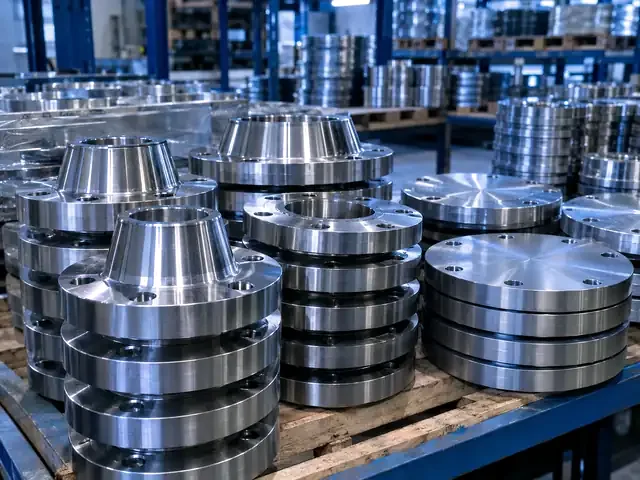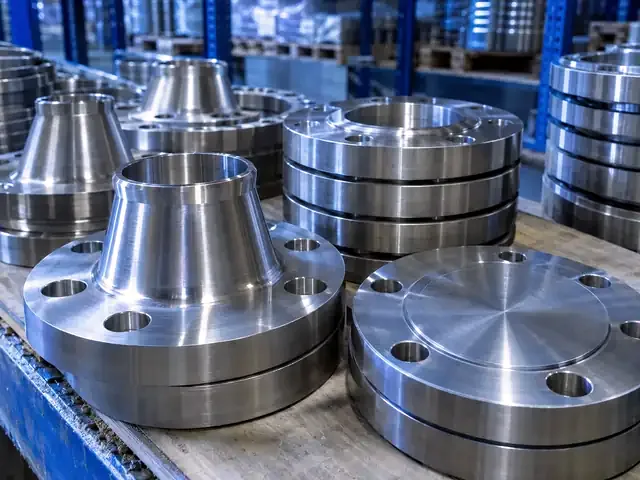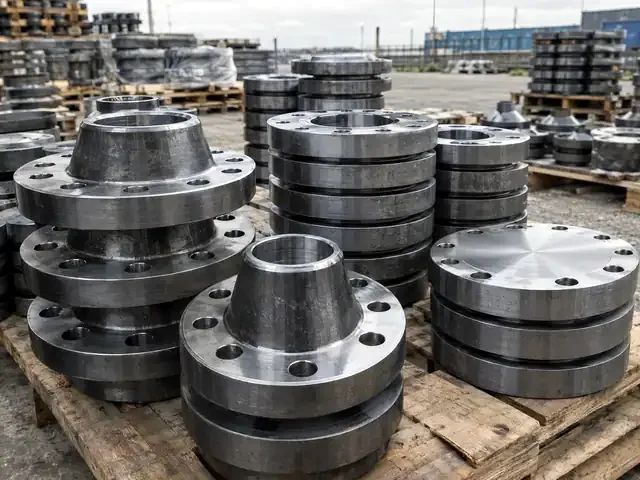
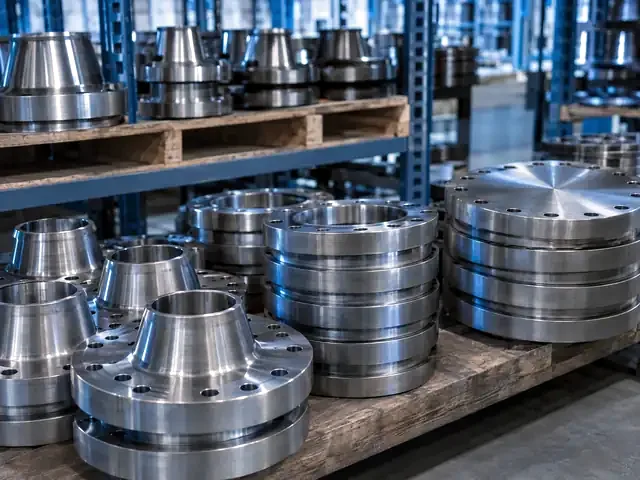
Alloy 20 flanges are the joints that connect pipe to pipe, valves, pumps and vessels. A stabilised nickel-iron-chromium alloy designed for sulphuric acid service.
Typical use for Alloy 20: chemical, pharmaceutical, synthetic rubber. The right grade, form and finish depend on the process fluid, temperature, pressure and the code your project follows, so we quote against your specification rather than a catalogue default.
Metalex Piping Solution, Mumbai, supplies Alloy 20 flanges for India and export orders. Send us the details in the checklist below and we will check availability and confirm what can be offered. Grade, dimensions and certificates are confirmed on the quotation.
At a glance
| Material | Alloy 20 |
|---|---|
| Grades | Alloy 20 (UNS N08020) |
| Standards (typical) | ASTM B462; ASME B16.5 |
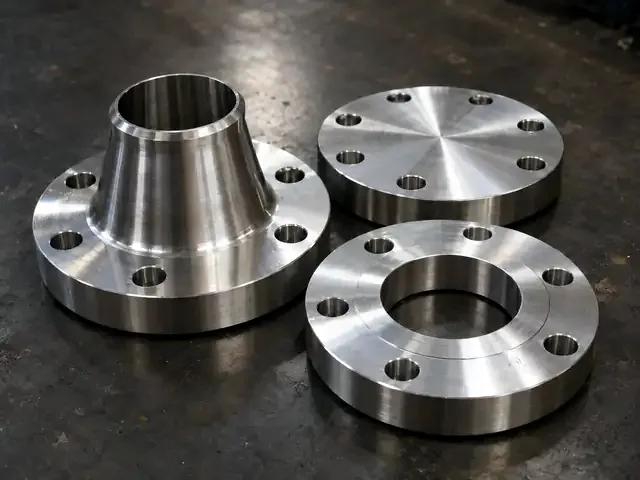
| Types | Weld neck, slip-on, blind, socket weld, threaded and lap joint |
| Dimensions | ASME B16.5 up to 24 in NPS, ASME B16.47 above, pressure classes 150 to 2500 |
| Ends | Raised face, flat face or ring type joint |
| Finish | Machined face, serrated or smooth as specified |
| Documentation | Mill test certificate (EN 10204 3.1) and inspection on request. Confirm on enquiry. |
Standards are typical for this product. The exact standard, grade and tolerance are confirmed against your enquiry.
Tell us this much
- Flange type and facing
- NPS and pressure class
- Pipe schedule or bore
- Bolt pattern and gasket needs
- Material standard and certificate
What to know about flanges
- Flanges join pipe to pipe, or pipe to valves, pumps and vessels, and can be bolted apart for maintenance.
- Common types: weld neck, slip-on, blind, socket weld, threaded and lap joint.
- Faces are raised face (RF), flat face (FF) or ring type joint (RTJ).
- Pressure class runs from 150 to 2500 pound under ASME B16.5, with other standards such as EN 1092-1 available.
Alloy 20 at a glance
Alloy 20 (N08020) is a nickel-iron-chromium alloy with copper and molybdenum, developed for sulphuric acid and other severe chemical process environments.
- Resists sulphuric acid
- Stabilised against sensitisation after welding
- Good resistance to stress corrosion cracking
- Used in chemical and pharma plant
Where flanges are used
- Pipe connections that need to be opened for service
- Connections to valves, pumps and pressure vessels
- Blanking off line ends or nozzles
- High pressure and high temperature joints (weld neck)
Common questions
Which flange type for high pressure?
Weld neck flanges are the usual choice for high pressure and temperature because the long neck spreads stress into the pipe.
What is raised face?
A raised face is a machined, raised ring around the bore that concentrates the gasket load. It is the most common face type on ASME flanges.
What do you need to quote?
Type, size, pressure class, face type, standard, material grade and quantity.